Data Analytics vs Data Analysis: What’s The Difference?

Data analysis, data analytics. Two terms for the same concept? Or different, but related, terms?
It's a common misconception that data analysis and data analytics are the same thing. The generally accepted distinction is:
To explain this confusion—and attempt to clear it up—we’ll look at both terms, examples, and tools.
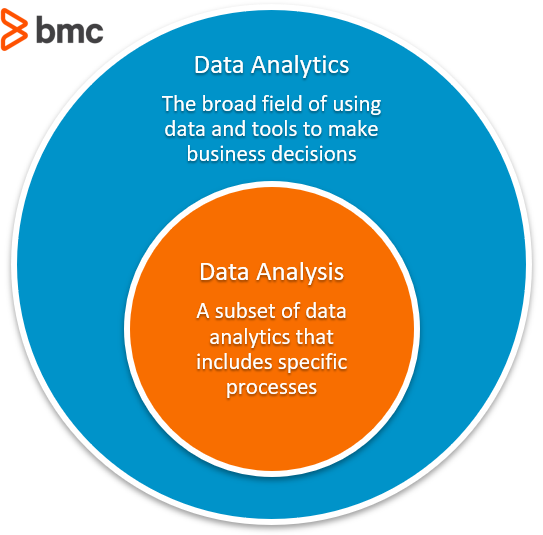
Data analytics is a broad term that defines the concept and practice (or, perhaps science and art) of all activities related to data. The primary goal is for data experts, including data scientists, engineers, and analysts, to make it easy for the rest of the business to access and understand these findings.
Data that sits raw, as-is, has no value. Instead, it’s what you do with that data that provides value. Data analytics includes all the steps you take, both human- and machine-enabled, to discover, interpret, visualize, and tell the story of patterns in your data in order to drive business strategy and outcomes.
A successful data analytics practice can—should—provide a better strategy for where your business can go. When done well, data analytics can help you:
Like any true practice, data analytics is systematic, consisting of many computational and management steps. Experts stress the word “systematic”. Being systematic is vital because data analytics uses many different activities and draws on all types and sizes of data sources.
Many subject areas comprise data analytics, including data science, machine learning, and applied statistics. One tangible result of a data analytics practice is likely well-planned reports that use data visualization to tell the story of the most salient points so that the rest of the business—who aren’t data experts—can understand, develop, and adapt their strategies.
Think of the many ways data analytics can highlight areas of opportunity for your business:
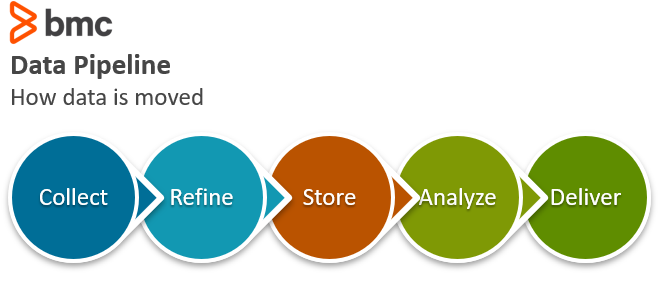
The data analytics practice encompasses many separate processes, which can comprise a data pipeline:
Consider data analysis one slice of the data analytics pie. Data analysis consists of cleaning, transforming, modeling, and questioning data to find useful information. (It’s generally agreed that other slices are other activities, from collection to storage to visualization.)
The act of data analysis is usually limited to a single, already prepared dataset. You’ll inspect, arrange, and question the data. Today, in the 2020s, a software or “machine” usually does a first round of analysis, often directly in one of your databases or tools. But this is augmented by a human who investigates and interrogates the data with more context.
When you’re done analyzing a dataset, you’ll turn to other data analytics activities to:
A vital point of data analysis is that the analysis already captures data, meaning data from the past.
There are many types of data analysis techniques. Here are the most well-known:
Combine these different methods depending on the business need and decision-making process. Pieter Van Iperen, Managing Partner of PWV Consultants, uses the example of web traffic, which your company very likely tracks. You have tools in place to automatically collect and measure individual metrics within web traffic, such as:
Each of those data points is a small part of the overall analysis. Then, humans perform further analysis to determine things like how to optimize your website to:
Analysis that is repeatable can often be converted into a new metric within your analytic platform.
Brack Nelson, Marketing Manager at Incrementors SEO Services, suggests that the outcome of data analytics is more encompassing and beneficial than the output of data analysis alone.
Consider the differences between:
The ultimate move, Brack says, is creating a product that makes a data-driven prediction and contacts another system’s API is order to produce action—that’s data analytics in action.
Analytics software are tools that help humans and machines perform the analysis that allows us to make mission-critical business decisions.
Common tools for performing data analysis and overall analytics include:
(Check out BMC Guides for tutorials on many big data and data visualization tools.)
Interestingly, the terms are sometimes confused by data scientists and data analysts themselves!
Polling a variety of people in the wide world of data revealed this divide. Most agreed that data analytics is the broader field, of which data analysis is one key function, but others had different takes. This lack of clarity underscores that maybe the question isn’t data analytics versus data analysis—but whether you’re doing both as well as you can.
Several people said that they aren’t concerned if us non-data experts use the terms interchangeably. So, if you confuse data analytics with analysis at your next meeting, most folks will be none the wiser.